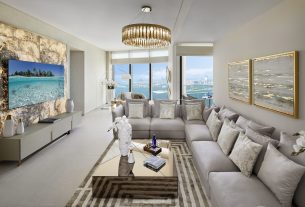
Visual merchandising creates a store’s first conversation with a customer. Before any interaction, the strategic use of color and lighting establishes mood, directs attention, and defines product appeal.
These two elements form a foundational toolkit for building compelling retail environments. Mastering their application is central to effective display visual merchandising.
Color Directs Emotion and Attention:
Color carries immediate psychological weight. Warm colors, like red and orange, inject energy and urgency, making them strong choices for promotional areas or impulse buy sections. Cool colors, such as blue and green, introduce calm and reliability, fitting for spaces where customers evaluate items like furniture or technology.
Neutral backgrounds think white, grey, or beige allow merchandise colors to emerge clearly. Employing a restrained palette from a seasonal story builds a unified narrative across the shop floor. Contrast also serves as a powerful tool; a vibrant product against a subdued backdrop naturally captures the eye.
Lighting Builds Hierarchy and Drama:
Lighting moves beyond basic visibility to become a director of focus. General ambient lighting ensures safe and comfortable navigation. The true impact, however, comes from accent lighting. Track spots, pin lights, and well-placed fixtures pick out key displays, adding depth and importance.
This layered approach constructs a clear visual hierarchy, telling customers what merits their attention. Lighting should always illuminate the product clearly without causing shopper discomfort or glare. It also defines pathways, gently pulling customers through the retail space.
Creating Cohesion Between Elements:
Color and light achieve greatest effect when they work in unison. Lighting influences color perception; a warm lamp can deepen golds and creams, while a cool LED might sharpen silver and blue tones. Use this relationship deliberately. Highlight a focal display with a slightly brighter or differently tinted light to distinguish it.
Always test lighting on products to confirm it shows their true colors, a critical step for apparel and cosmetics. Consider texture: directional light can create shadows that make knitwear look soft or highlight the details on a handbag.
Implementing Your Strategy:
Begin with a clear objective. Is the display launching a new collection, clearing inventory, or showcasing a hero product? Select colors that support this goal. Install lights to eliminate shadows and make sure priority items become the brightest points in sight. Maintain fixtures regularly, replacing bulbs that fade or change color to keep presentation consistent. Signature displays and mannequins often require dedicated lighting setups to add dimension and draw the eye from a distance.